
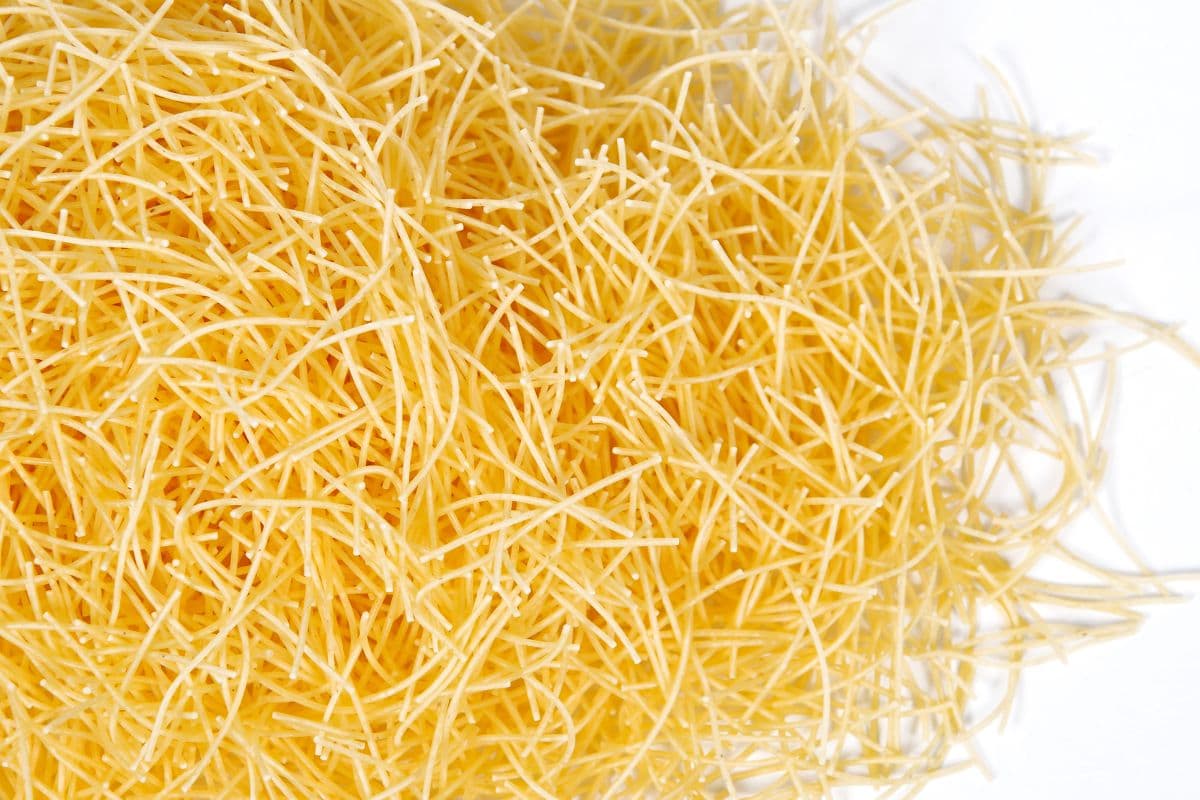
The first time I saw vermicelli, I wasn’t sure what it was. The noodles were extremely thin—almost like delicate threads. Sometimes they showed up in soups, sometimes in stir-fries, and sometimes even in desserts. That made me curious. What exactly is vermicelli, and why is it used in so many different cuisines?
Handy for this one: rice vermicelli noodles, bamboo steamer and chef's knife (Amazon links; as an Amazon Associate we earn from qualifying purchases).
If you’ve ever asked what is vermicelli made of or wondered whether it’s pasta or rice noodles, you’re not alone. In this guide, we’ll break down what vermicelli is, what it’s made from, how it’s cooked, and the many ways it’s used around the world. By the end, you’ll understand why this simple noodle is so popular.
What Is Vermicelli?
Let’s start with the basics.
Vermicelli refers to very thin noodles that resemble fine strands of spaghetti. The name comes from the Italian word meaning “little worms,” which describes the noodle’s shape.
If you’re wondering what are vermicelli noodles, they are simply thin noodles used in many cuisines, including Italian, Asian, and Middle Eastern cooking.
You may see misspellings like vermicilli noodles, but the correct spelling is vermicelli.
Vermicelli Meaning and Pronunciation
The vermicelli meaning comes from Italian culinary tradition. In Italian cuisine, vermicelli originally referred to thin pasta strands.
If you’re unsure how to say it, here’s the vermicelli pronunciation:
ver-mi-CHEL-ee
Once you say it a few times, it becomes much easier.
What Is Vermicelli Made Of?
One of the most common questions is what is vermicelli made of.
The answer depends on the type.
Traditional Italian vermicelli pasta is made from:
- Wheat flour
- Water
However, in many Asian dishes, vermicelli noodles are made from rice flour or sometimes mung bean starch.
So if you’re asking:
- vermicelli made from wheat or rice
- vermicelli is made up of flour and water
- vermicelli is made of different ingredients depending on the region
Both versions are considered vermicelli because of their thin shape.
Is Vermicelli a Rice or Pasta?
A very common question: Is vermicelli a rice or pasta?
The answer is both.
Italian vermicelli is pasta made from wheat.
Asian vermicelli, often called rice vermicelli, is made from rice flour.
The noodle shape is the same, but the ingredients vary.
Is Vermicelli Made of Suji?
In Indian cooking, vermicelli is often called vermicelli semiya. Many people ask: Is vermicelli made of suji?
Yes, some Indian varieties are made from semolina (suji), which comes from durum wheat. These noodles are commonly used in savory and sweet dishes.
Vermicelli Rice Noodles

Asian cuisine frequently uses vermicelli rice noodles.
These noodles are:
- Thin
- Light
- Gluten-free
- Quick to cook
If you’re wondering what is vermicelli rice, it usually refers to rice-based vermicelli used in stir-fries, soups, or salads.
How to Cook Vermicelli Noodles
Learning how to cook vermicelli noodles is simple.
For wheat vermicelli pasta:
- Boil water.
- Add noodles.
- Cook for about 3–5 minutes.
- Drain and rinse if needed.
For how to cook vermicelli rice noodles, you usually soak them in hot water instead of boiling. After a few minutes, they soften and are ready to use.
Vermicelli Recipes Around the World
One reason vermicelli recipes are so popular is their versatility.
These noodles appear in many global dishes, including:
- Stir-fried noodle dishes
- Soups
- Salads
- Rice dishes
- Desserts
A simple vermicelli noodle recipe can transform basic ingredients into a quick meal.
Vermicelli Upma
In Indian cuisine, vermicelli upma is a savory breakfast dish.
It’s made by cooking roasted vermicelli with:
- Vegetables
- Mustard seeds
- Curry leaves
- Spices
This dish is light, flavorful, and very quick to prepare.
Vermicelli Rice
Another interesting preparation is vermicelli rice.
This dish combines rice with lightly toasted vermicelli, often cooked together in broth. The noodles add texture and flavor.
If you’ve ever seen rice with vermicelli in Middle Eastern cooking, that’s exactly what it is.
Vermicelli Pasta in Western Cooking
In Italian cuisine, vermicelli pasta is similar to spaghetti but slightly thinner.
It’s often served with:
- Tomato sauces
- Seafood sauces
- Light olive oil dishes
Because the noodles are thin, they cook quickly and absorb sauces well.
Vermicelli Desserts
Another surprising use is vermicelli dessert.
Many cultures prepare sweet dishes using vermicelli noodles. Popular examples include:
- Sweet semiya pudding
- Milk-based desserts
- Cardamom-flavored vermicelli sweets
These dishes are common in Middle Eastern and South Asian cuisine.
How to Make Vermicelli Noodles
If you’re curious how to make vermicelli noodles, traditional methods involve mixing flour and water into dough, rolling it thin, and cutting or extruding fine strands.
However, most people buy them dried because the process is easier and more convenient.
Vermicelli Nutrition Overview
Nutritionally, vermicelli depends on the ingredient used.
Wheat-based vermicelli provides:
- Carbohydrates
- Some protein
- Small amounts of fiber
Rice vermicelli tends to be lighter and easier to digest.
Like most noodles, it works best as part of a balanced meal with vegetables and protein.
Some Rapid Answers
“What is vermicelli made of?”: Vermicelli is made from wheat flour or rice flour, depending on the type.
“Is vermicelli a rice or pasta?”: It can be either—Italian vermicelli is pasta, while Asian vermicelli is rice noodles.
“Is vermicelli made of suji?”: Some varieties, especially Indian semiya, are made from semolina (suji).
“What are vermicelli noodles?”: Very thin noodles are used in many global cuisines.
“How to cook vermicelli rice noodles”: Soak them in hot water until soft, then use them in dishes.
“Vermicelli pronunciation”: ver-mi-CHEL-ee.
Conclusion
So now you know exactly what vermicelli is and why it appears in so many different cuisines. These thin noodles can be made from wheat, rice, or semolina and are used in everything from savory meals to sweet desserts.
Whether you’re making vermicelli upma, a simple noodle stir-fry, or a comforting dessert, vermicelli is one of the most versatile noodles you can keep in your kitchen. Once you try a few vermicelli recipes, it’s easy to see why this humble noodle has become a staple around the world.


Shop this recipe
As an Amazon Associate we earn from qualifying purchases.