
I learned this the hard way: I once sliced open a smooth, shiny fruit in early spring and instantly regretted it. When is passion fruit in season became a real question for me right then, because the taste was sharp, dry, and nothing like the tropical flavor I expected.
A few months later, I tried again with a wrinkled, heavy fruit in late summer—and wow, sweet, fragrant, and juicy. That contrast taught me how much timing matters with passion fruit. In this guide, I’ll show you the best months to buy it, how to spot passion fruit ripe without guessing, why prices change so much, and how to enjoy it at its peak.
By the end, you’ll know exactly when to buy, when to wait, and how to avoid disappointing fruit altogether.
When Is Passion Fruit in Season?
So let’s answer the big question first: when is passion fruit in season? In most regions, passionfruit season runs from summer through early winter. The peak months typically range from June to November, depending on the climate and location.
This is when passion fruit develops its full sweetness, rich aroma, and juicy pulp. If you’re wondering when are passion fruits in season, those months are your safest window for top quality.
Outside of peak season, fruit is often harvested early or shipped long distances, which leads to sour flavor and higher prices. In-season fruit simply tastes better.
Passionfruit Season by Region
Passion fruit grows in warm climates around the world, so timing changes by region. In the United States, especially California, Florida, and Hawaii, harvests usually peak from July through December.
In Australia and New Zealand, the season is opposite, running from January to June. In parts of South America, especially Brazil and Peru, passion fruit can be available almost year-round, though summer still delivers the best flavor.
In Asia, production often peaks during warm and monsoon seasons. This global supply explains why stores carry passion fruit all year, but local, in-season fruit always tastes better.
What Does Passion Fruit Look Like?
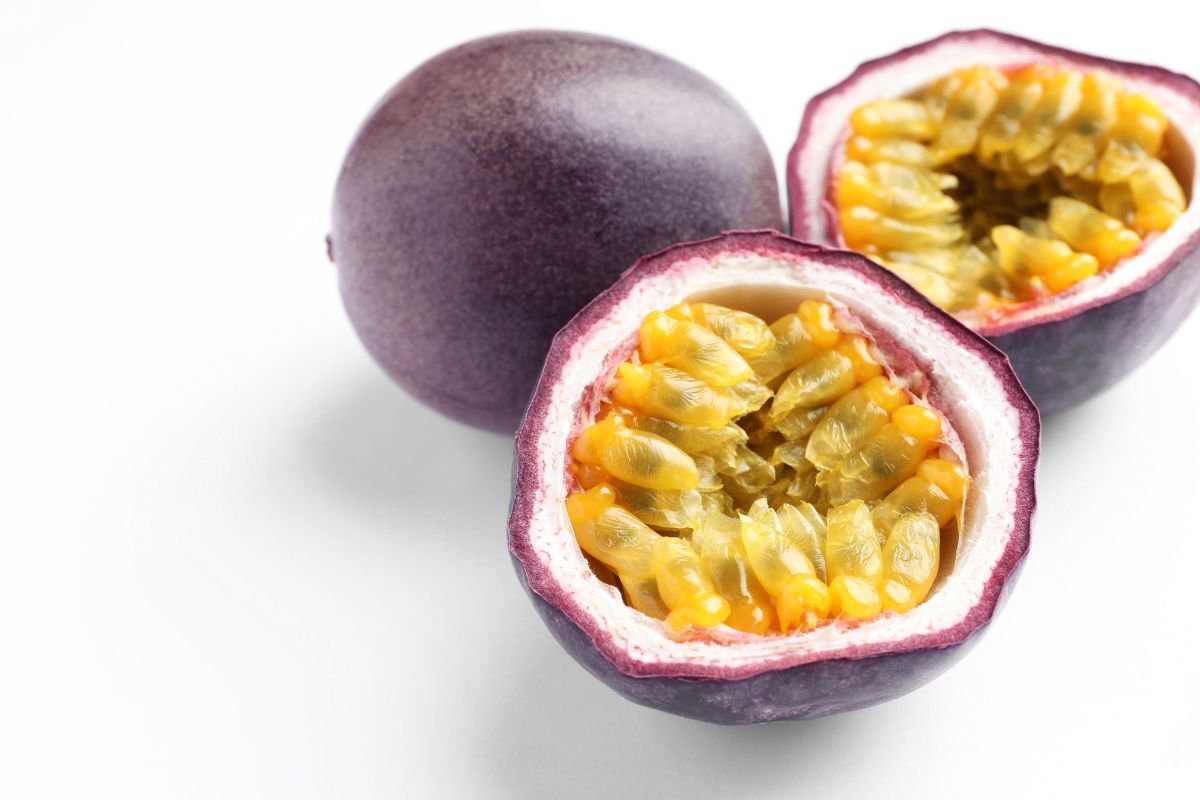
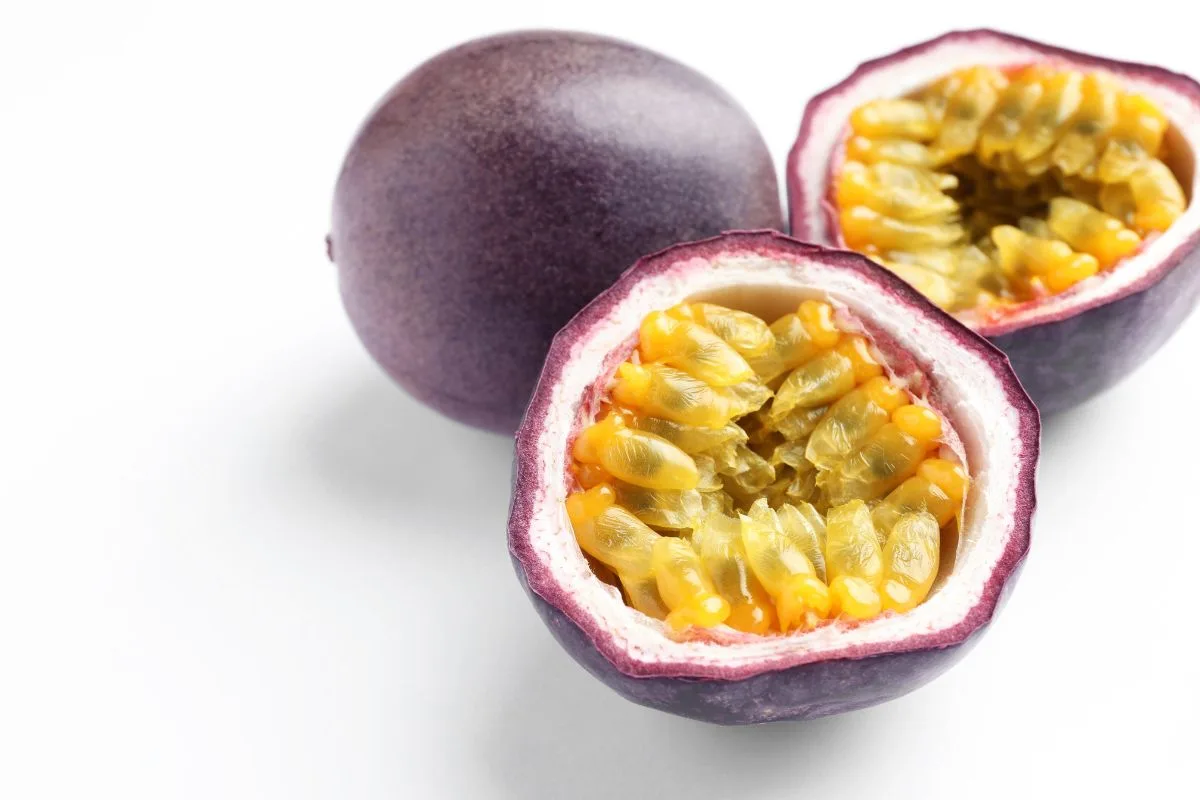
If you’ve ever stood in the produce aisle confused, you’re not alone. People often ask what does passion fruit look like when it’s good. Passion fruit is round or oval, about the size of a large egg or a small lemon.
The skin can be deep purple, dark red, or yellow, depending on the variety. But color alone doesn’t tell the full story. Texture matters much more than shine.
What Does a Ripe Passion Fruit Look Like?
This is where many people get it wrong. What does a ripe passion fruit look like? A ripe passion fruit has wrinkled, dimpled skin and feels heavy for its size. Smooth, glossy skin usually means it’s underripe.
Wrinkles are a good sign—they mean the sugars have concentrated and the pulp inside is juicy and sweet. If you remember one thing, remember this: wrinkles equal flavor.
How Do I Know When Passion Fruit Is Ripe?
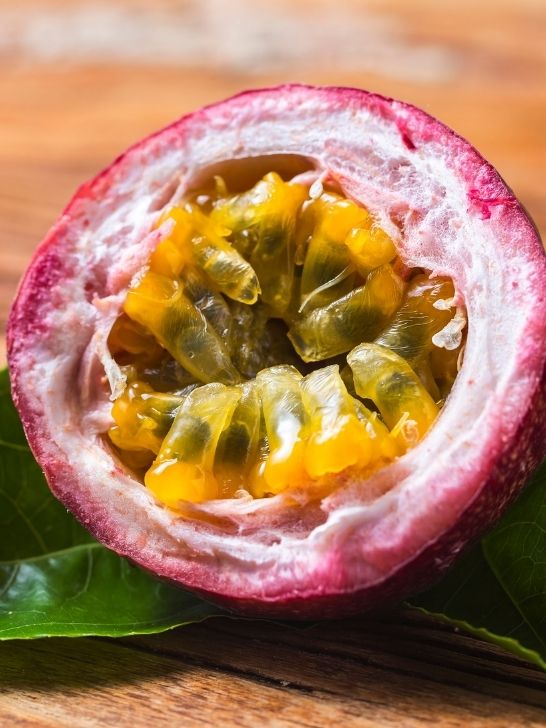
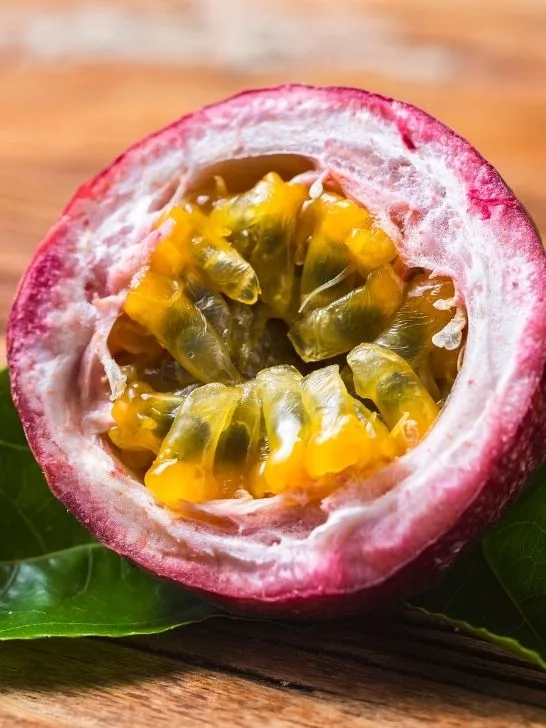
If you’re asking How do I know when passion fruit is ripe?, use three quick checks. First, look for deep color and wrinkled skin. Second, pick it up—passion fruit ripe should feel heavy due to juicy pulp. Third, smell near the stem. A light, sweet, tropical aroma means it’s ready.
These same steps answer how to tell if passion fruit is ripe without cutting it open.
When Are Passion Fruit Ripe on the Vine?
For growers and gardeners, When are passion fruit ripe on the vine depends on time and climate. After flowering, passion fruit usually needs about 70 to 100 days to mature.
If you’re curious how long does it take for passion fruit to turn purple, the answer is usually two to three months after flowering.
Fully ripe fruit often drops naturally from the vine. If it falls on its own, it’s usually ready to eat.
Can You Eat Passion Fruit When It’s Green?
This question comes up a lot: Can you eat passion fruit when it’s green? Technically, yes, but it won’t be enjoyable. Green passion fruit is underripe, very sour, and low in sweetness. It’s safe to eat, but most people find the taste unpleasant.
The better option is to let it ripen at room temperature until the skin darkens and wrinkles.
Why Are My Passionfruit Sour?
If your fruit tastes sharp, you might wonder, Why are my passionfruit sour? The most common reason is early harvesting. Passion fruit needs time and warmth to develop sugar. Cool weather, lack of sun, or picking too early all lead to sour pulp.
Wrinkled skin usually signals that sweetness has developed.
Passion Fruit: How to Eat It
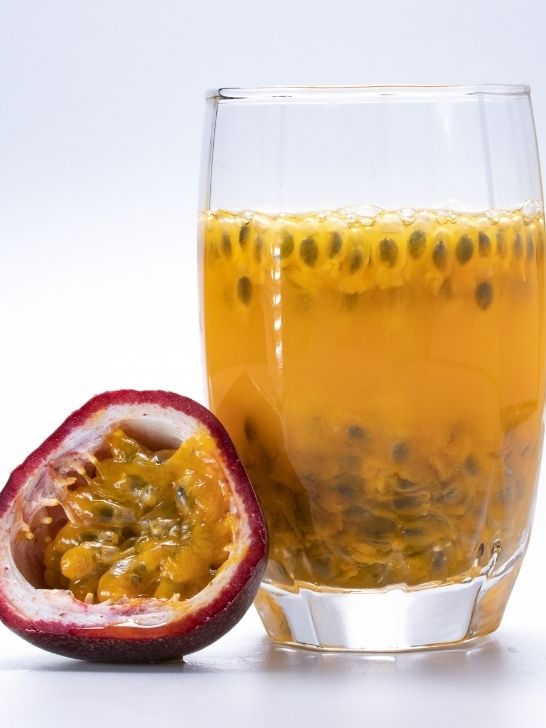
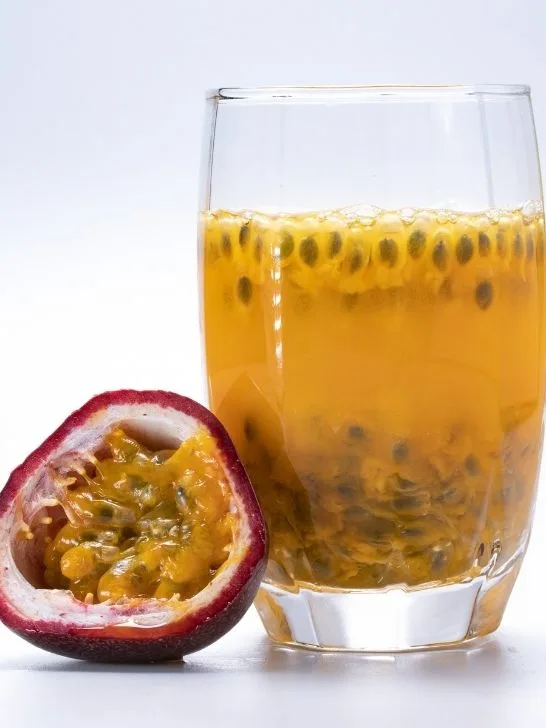
If you’re new to it, passion fruit how to eat is easy. Cut the fruit in half, scoop out the pulp with a spoon, and eat it directly. The seeds are edible and crunchy.
You can also add the pulp to yogurt, smoothies, desserts, sauces, or drinks. The shell is not eaten—only the inside.
Why Is Passion Fruit So Expensive?
Many people ask, Why is passion fruit so expensive? It comes down to supply and care. Passion fruit vines are delicate, harvesting is labor-intensive, and the fruit bruises easily. It also has a short shelf life. When it’s out of season, imports push prices even higher.
Buying during peak passionfruit season usually means better flavor and better value.
How Many Times a Year Do Passionfruit Fruits?
If you grow it, you may ask, How many times a year do passionfruit fruits? Most vines produce one main harvest each year, with a possible smaller second harvest in warm climates.
In tropical regions, vines may fruit more frequently, but yields still peak seasonally.
What Climate Is Best for Passion Fruit?
So, what climate is best for passion fruit? Passion fruit thrives in warm, sunny, frost-free conditions. It prefers temperatures between 68°F and 86°F, full sun, and well-drained soil.
Cold weather slows growth and affects sweetness, which is why fruit from warm regions tastes better.
What Is the Lifespan of a Passion Fruit Plant?
A healthy vine usually lives about five to seven years. If you’re asking What is the lifespan of a passion fruit plant?, most produce heavily for the first three to four years, then gradually slow down.
Good care and pruning can extend productivity.
Can I Eat Passionfruit Every Day?
People often ask, Can I eat passionfruit every day? For most people, yes. Passion fruit is rich in fiber, vitamin C, and antioxidants.
Just keep portions reasonable, especially if you have a sensitive stomach.
What Is the Disadvantage of Eating Passion Fruit?
To be honest, what is the disadvantage of eating passion fruit? It’s acidic and very high in fiber. Eating too much can cause stomach discomfort or bloating for some people.
Moderation keeps it enjoyable.
Can I Eat the Leaves of a Passionfruit Vine?
This surprises many readers. Can I eat the leaves of a passionfruit vine? Some varieties are used in teas or traditional remedies, but not all leaves are safe.
Always identify the specific variety before consuming leaves.
Some Rapid Answers
“when is passion fruit in season”: summer through early winter in most regions.
“when are passion fruits in season”: typically June to November, depending on climate.
“how do I know when passion fruit is ripe?”: wrinkled skin, heavy feel, sweet aroma.
“how to tell if passion fruit is ripe”: deep color, wrinkles, slight softness.
“what does a ripe passion fruit look like”: wrinkled purple or yellow skin, juicy pulp inside.
“When are passion fruit ripe”: about 70–100 days after flowering, often when they fall from the vine.
“Can you eat passion fruit when it’s green?”: yes, but it’s very sour and not ideal.
“Why is passion fruit so expensive?”: short season, delicate fruit, and labor-intensive harvesting.
“Can I eat passionfruit every day?”: yes, in moderation.
Conclusion
Now you know exactly when is passion fruit in season and why timing makes all the difference. Summer through early winter is when flavor peaks, sweetness shines, and prices are usually better.
Wrinkled skin, heavy weight, and a sweet aroma are the signs of a passion fruit ripe and ready. Once you understand this, choosing great passion fruit becomes easy and fun.
If this guide helped you, share it with another fruit lover—or tell me how you enjoy your passion fruit best.

