

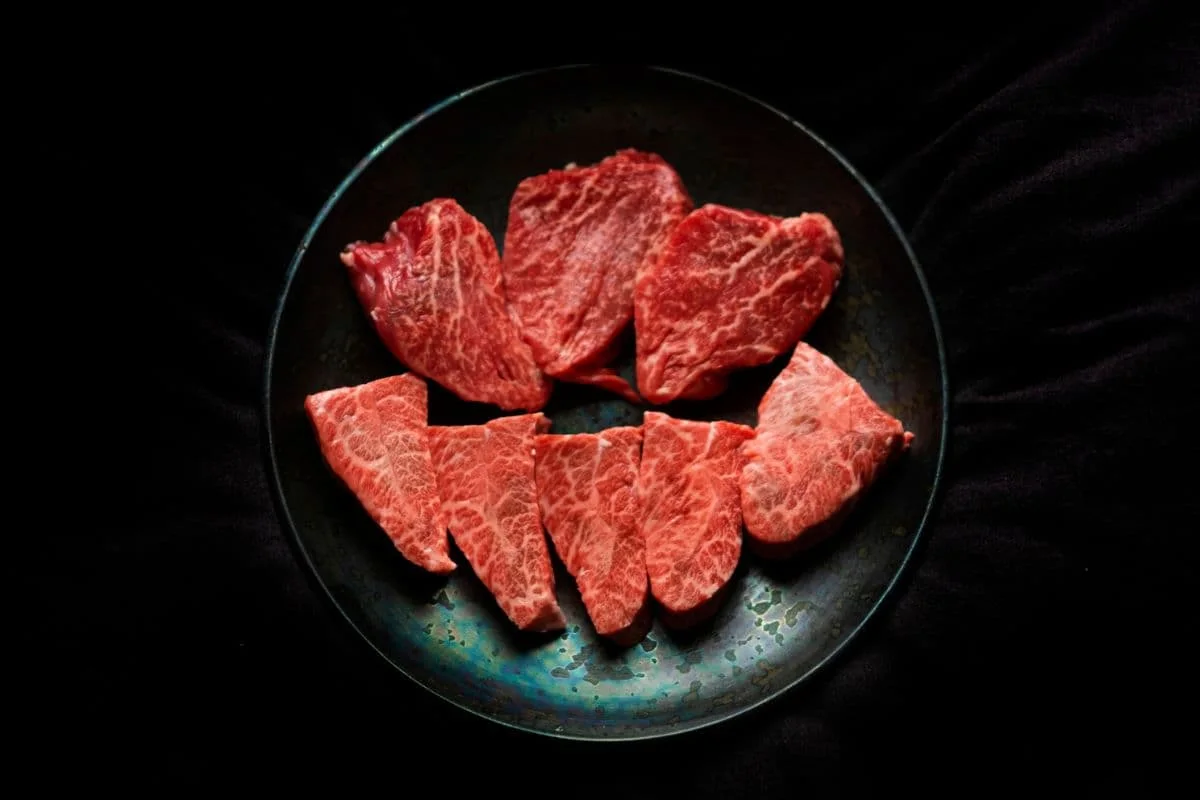
The first time I saw chateaubriand on a menu, I assumed it was just a fancy name for steak. The price, though? Definitely not ordinary. That made me curious. What exactly is it? And why does it feel like such a special occasion dish?
Handy for this one: instant-read thermometer, cast iron skillet and chef's knife (Amazon links; as an Amazon Associate we earn from qualifying purchases).
If you’ve ever asked what is Chateaubriand or wondered what makes this cut so premium, you’re in the right place. In this guide, I’ll explain the meaning, the cut, how it’s cooked, why it’s expensive, and whether it’s really better than filet. Let’s break it down in simple terms.
What Is Chateaubriand?
So first things first—what is a chateaubriand?
Chateaubriand is a thick center-cut portion of beef tenderloin, usually large enough to serve two people. It’s one of the most tender cuts of beef because it comes from the least-worked muscle of the cow.
When people ask what is Chateaubriand steak, the answer is simple: it’s a premium cut taken from the middle of the tenderloin, trimmed carefully, and cooked whole.
Chateaubriand Meaning and Origin
The Chateaubriand meaning comes from French history. The dish is named after François-René de Chateaubriand, a French writer and diplomat. According to culinary tradition, his chef created this special preparation in the 19th century.
So while it sounds royal, it’s really about the style and cut of beef rather than a completely different type of meat.
The Chateaubriand Cut Explained
It comes from the center of the beef tenderloin. This section is:
- Extremely tender
- Lean
- Fine-grained
- Thick and uniform
Because it’s cut from the very best part of the tenderloin, there are only a few chateaubriand portions per animal. That limited supply is part of why it’s so prized.
When labeled beef chateaubriand, it typically refers to a roast-sized piece meant for two.
What Is So Special About Chateaubriand?
A common question is: What is so special about Chateaubriand?
Here’s what makes it stand out:
- It’s incredibly tender
- It’s cut thick for even cooking
- It’s often prepared tableside in fine dining
- It’s associated with French culinary tradition
The texture is buttery soft. You don’t need much effort to cut it. That tenderness is the main reason people love it.
Is Chateaubriand Better Than Fillet?
This question comes up a lot: Is chateaubriand better than fillet?
Technically, chateaubriand is a portion of the fillet (tenderloin). The difference is in size and presentation.
A filet mignon is cut into individual steaks.
Chateaubriand is a larger centerpiece cut meant to be shared.
So it’s not “better” in quality—it’s just a thicker, more dramatic presentation of the same premium muscle.
Why Is Chateaubriand Expensive?
There are a few reasons:
- It comes from the most tender part of the cow.
- There’s a limited supply per animal.
- It requires careful trimming.
- It’s often served in upscale restaurants.
When something is both rare and in demand, the price goes up.
Chateaubriand Pronunciation
If you’re nervous to say it out loud, here’s help.
“sha-toh-bree-AHN”
The “d” at the end is silent. It sounds elegant, but once you say it slowly, it’s manageable.
Cooking Chateaubriand at Home


If you’re thinking about cooking chateaubriand, the key is gentle heat and precision.
Because it’s thick, it’s best cooked using one of these methods:
- Oven roasting
- Reverse sear
- Pan-sear, then finish in the oven
Reverse Sear Chateaubriand
A reverse sear chateaubriand method works beautifully. You slowly cook the beef in the oven at a low temperature until it reaches your desired internal temp. Then you finish with a hot sear for a crust.
This keeps the inside evenly pink and juicy.
How to Cook Chateaubriand Perfectly
If you’re asking how to cook chateaubriand, here’s a simple approach:
- Let the beef come to room temperature.
- Season generously with salt and pepper.
- Sear in a hot pan for color.
- Finish in a 375°F oven until desired doneness.
- Rest for at least 10 minutes before slicing.
Use a thermometer for accuracy. Because it’s such a premium cut, you don’t want to overcook it.
Chateaubriand Sauce
Traditionally, this dish is served with Chateaubriand sauce. Classic versions include:
- Red wine reduction
- Béarnaise sauce
- Madeira sauce
The sauce adds richness but should never overpower the meat’s natural flavor.
Chateaubriand Bouquetière
In French cuisine, chateaubriand bouquetiere refers to serving the steak surrounded by neatly arranged vegetables. It’s about presentation—making the dish look like a bouquet.
It’s an elegant, traditional plating style.
Is Chateaubriand the Same as Chateau Brionne?
Sometimes people confuse Château Brionne with Châteaubriand. They are not the same. Chateau Brionne is not a recognized beef cut. It’s likely a spelling or naming mix-up.
What Does Chateaubriand Taste Like?
Because it’s from the tenderloin, the flavor is:
- Mild
- Buttery
- Clean
- Beefy but not intense
It’s less bold than ribeye but more refined. Texture is the star here.
Conclusion
So now you know exactly what chateaubriand is and why it’s considered such a special cut. It’s not just a fancy name—it’s a thick, center-cut piece of tenderloin prized for its buttery texture and elegant presentation.
Whether you’re ordering it at a restaurant or planning to cook it at home, understanding the cut makes you appreciate it even more.
And once you taste it cooked properly, you’ll see why this classic French dish still feels like a celebration on a plate.


Shop this recipe
As an Amazon Associate we earn from qualifying purchases.