
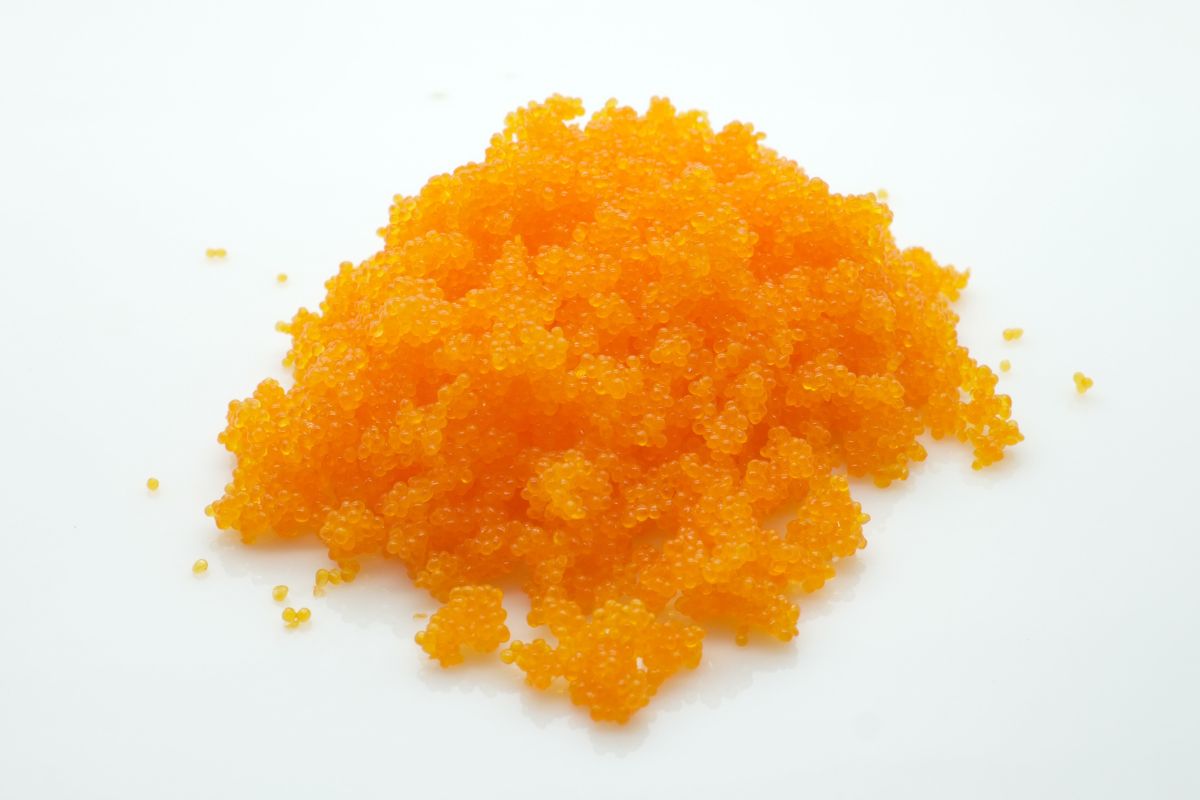
The first time I saw those tiny bright orange pearls on my sushi, I had no idea what they were. They popped in my mouth, tasted slightly sweet and salty, and added this amazing crunch. That’s when I learned about tobiko.
If you’ve ever wondered what is tobiko, or asked about the orange fish eggs on sushi, you’re in the right place. In this guide, I’ll explain the meaning of tobiko, how it tastes, the different colors (including black tobiko), how it’s used in sushi, and how it compares to caviar and masago.
By the end, those little orange balls won’t be a mystery anymore.
Shop this recipe
As an Amazon Associate we earn from qualifying purchases.
What Is Tobiko?
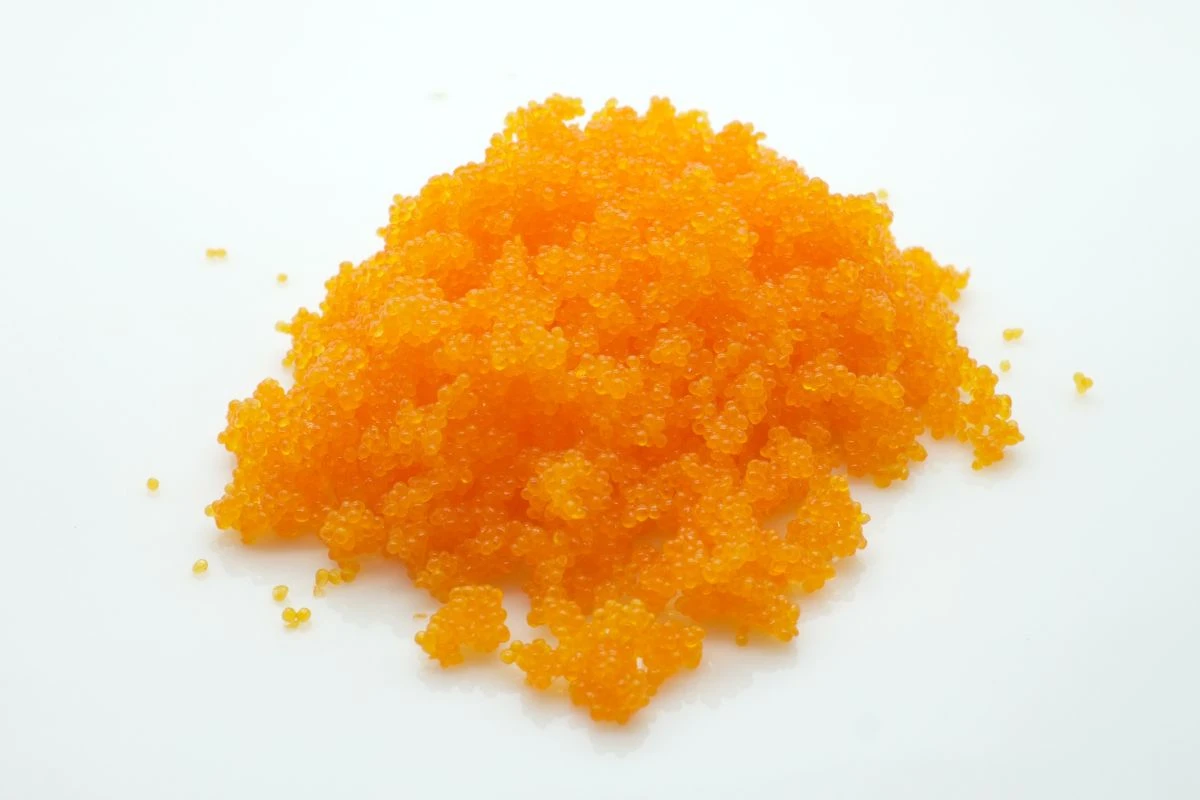
Tobiko is the roe (eggs) of flying fish. So yes, if you’re asking, is tobiko actually fish eggs? — The answer is yes.
The word tobiko meaning comes from Japanese. “Tobi” refers to flying fish, and “ko” means child or roe. So tobiko literally means flying fish eggs.
You may see misspellings like tobbiko, tobimo, or tobika, but the correct spelling is tobiko.
If you’re asking:
- What is tobiko
- Whats tobiko
- What is tobiko in sushi
It’s flying fish roe used as a sushi topping or garnish.
What Are the Orange Balls on Sushi?
Those bright, crunchy pearls?
They’re usually tobiko eggs.
People often search:
- what are the orange balls on sushi
- little orange balls on sushi
- orange balls on sushi
- orange eggs on sushi
- orange fish eggs
- fish eggs on sushi called
Most of the time, the answer is tobiko. Sometimes it’s masago (a similar roe), but tobiko is larger and crunchier.
What Does Tobiko Taste Like?
Tobiko has a:
- Mild salty flavor
- Slight sweetness
- Light smoky note
- Distinct crunchy pop
Compared to other fish eggs on sushi, tobiko stands out because of its firm texture. It’s not mushy. It pops cleanly when you bite it.
Tobiko in Sushi
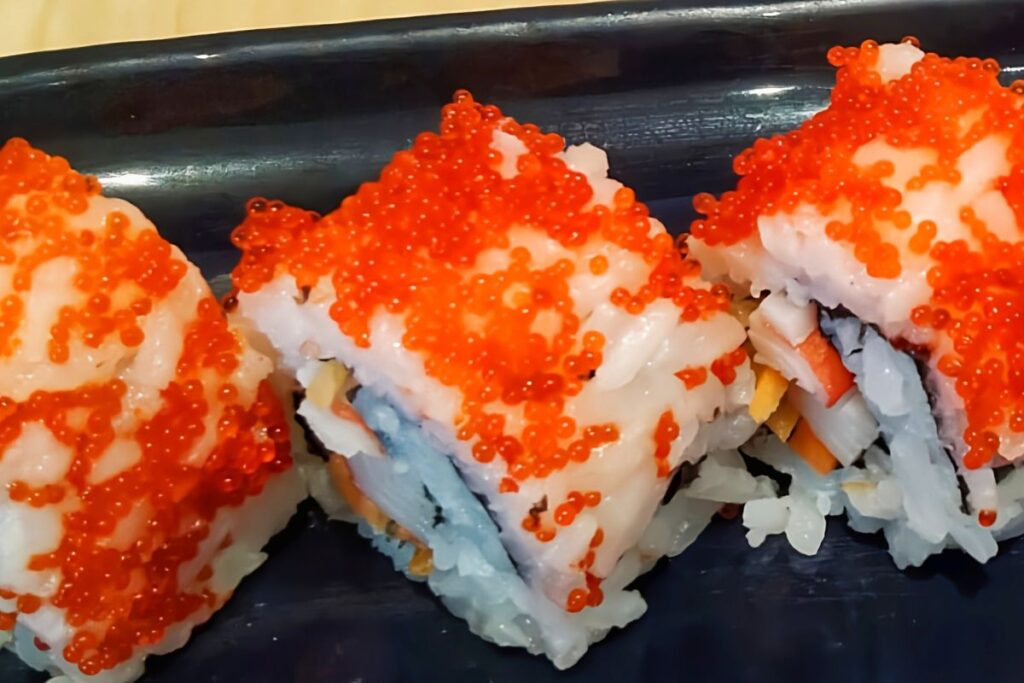
You’ll often see tobiko sushi served in different ways.
Tobiko Gunkan
The most classic style is tobiko gunkan. This is a small oval of rice wrapped in seaweed and topped with a mound of tobiko roe.
Tobiko Nigiri
Less common but still served, tobiko nigiri places the roe directly over pressed rice, sometimes wrapped lightly in nori.
Tobiko Sushi Roll
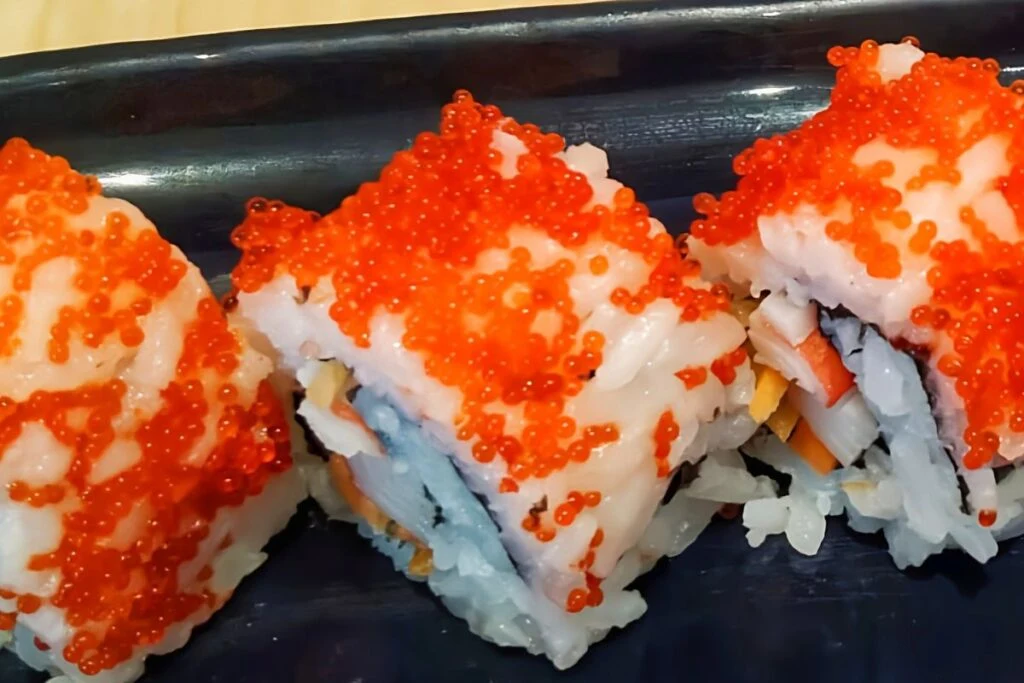
Many modern rolls include tobiko either inside or sprinkled on top. A tobiko sushi roll often adds color and crunch to spicy tuna or California rolls.
Some creative chefs even make a tobiko wrap, rolling rice and fish in a layer of tobiko-coated seaweed.
Tobiko Colors Explained
One of the most interesting things about tobiko colors is that they’re often flavored.
Here are the most common types:
- Orange tobiko – natural color, classic flavor
- Black tobiko – flavored with squid ink
- Red tobiko – sometimes chili flavored
- Green tobiko – often mixed with wasabi
- Yuzu tobiko – citrus-flavored with Japanese yuzu
If you’re wondering, what is black tobiko? It’s usually tobiko colored and flavored with squid ink, giving it a deeper, briny taste.
Tobiko vs Caviar
Many people ask, is tobiko the same as caviar?
No.
Tobiko vs caviar comes down to species and prestige. True caviar comes from sturgeon fish. Tobiko comes from flying fish.
Caviar:
- Larger eggs
- Softer texture
- Expensive
Tobiko:
- Smaller eggs
- Crunchier texture
- More affordable
Tobiko is sometimes called tobiko caviar, but technically, it’s not true caviar.
Tobiko vs Masago
Another common comparison is Tobiko vs masago.
Masago is roe from capelin fish. It’s smaller, softer, and usually cheaper. Tobiko eggs are larger and have a more satisfying crunch.
If you like texture, tobiko wins.
Is Tobiko Raw?
If you’re asking, is tobiko raw? — not exactly.
Tobiko is typically cured with salt and sometimes lightly seasoned before serving. It’s not cooked, but it’s processed for safe consumption.
Is Tobiko Gluten-free?
Yes, plain tobiko roe is naturally gluten-free. However, always check if it’s mixed with sauces or seasonings that may contain soy sauce or additives.
So if you’re asking, is tobiko gluten-free, the answer is generally yes, but confirm ingredients.
Is Tobiko Halal?
This depends on interpretation and preparation. Since tobiko comes from fish, many consider it halal. However, flavorings or added alcohol-based ingredients could change that. Always verify sourcing and preparation if you follow halal guidelines.
Tobiko Fish and Source
The tobiko fish is the flying fish. These fish glide above the ocean surface using wing-like fins. Their roe is harvested, cleaned, salted, and sometimes colored or flavored before use in sushi.
Tobiko Recipes and Uses Beyond Sushi
While most people associate tobiko with sushi, there are creative tobiko recipes you can try.
Popular ideas include:
- Mixing into spicy mayo for tobiko sauce
- Sprinkling over avocado toast
- Folding into seafood pasta
- Garnishing deviled eggs
- Adding to creamy dips
A simple tobiko recipe at home can elevate everyday dishes with color and texture.
What Is Tobiko Sushi Exactly?
To summarize clearly:
What is tobiko sushi?
It’s sushi that uses flying fish roe as a topping, filling, or garnish.
It adds visual appeal, crunch, and a mild briny taste.
Rapid Answers
“What is tobiko?”: Tobiko is flying fish roe used in sushi.
“Is tobiko actually fish eggs?”: Yes, it’s flying fish eggs.
“fish eggs on sushi called”: Often tobiko or masago.
“What are the orange balls on sushi?”: Usually, tobiko roe.
“Is tobiko the same as caviar?”: No, caviar comes from sturgeon.
“Is tobiko raw?”: It’s cured but not cooked.
“What is black tobiko?”: Tobiko flavored and colored with squid ink.
“Tobiko vs masago”: Tobiko is larger and crunchier.
“Is tobiko gluten-free?”: Yes, plain tobiko is gluten-free.
Conclusion
Now you know exactly what tobiko is and why it’s so popular in sushi. Those tiny orange pearls are flying fish roe, prized for their crunch, color, and mild briny flavor. Whether you’re enjoying tobiko sushi, comparing it to caviar, or trying creative recipes at home, it’s a small ingredient that makes a big impact.
Next time you see those little orange balls on your roll, you’ll know exactly what you’re tasting—and maybe appreciate that satisfying pop even more.

