
The first time I tasted gremolata, it completely changed how I saw simple dishes. A spoonful of this fresh, zesty mix instantly made everything brighter—like turning up the flavor without adding anything heavy. It’s one of those small additions that makes a big difference.
So, what is gremolata, and why do chefs love it so much? In this guide, we’ll break down what it is, what it’s made of, how to use it, and how you can easily make it at home.
What Is Gremolata?
Let’s start simple.
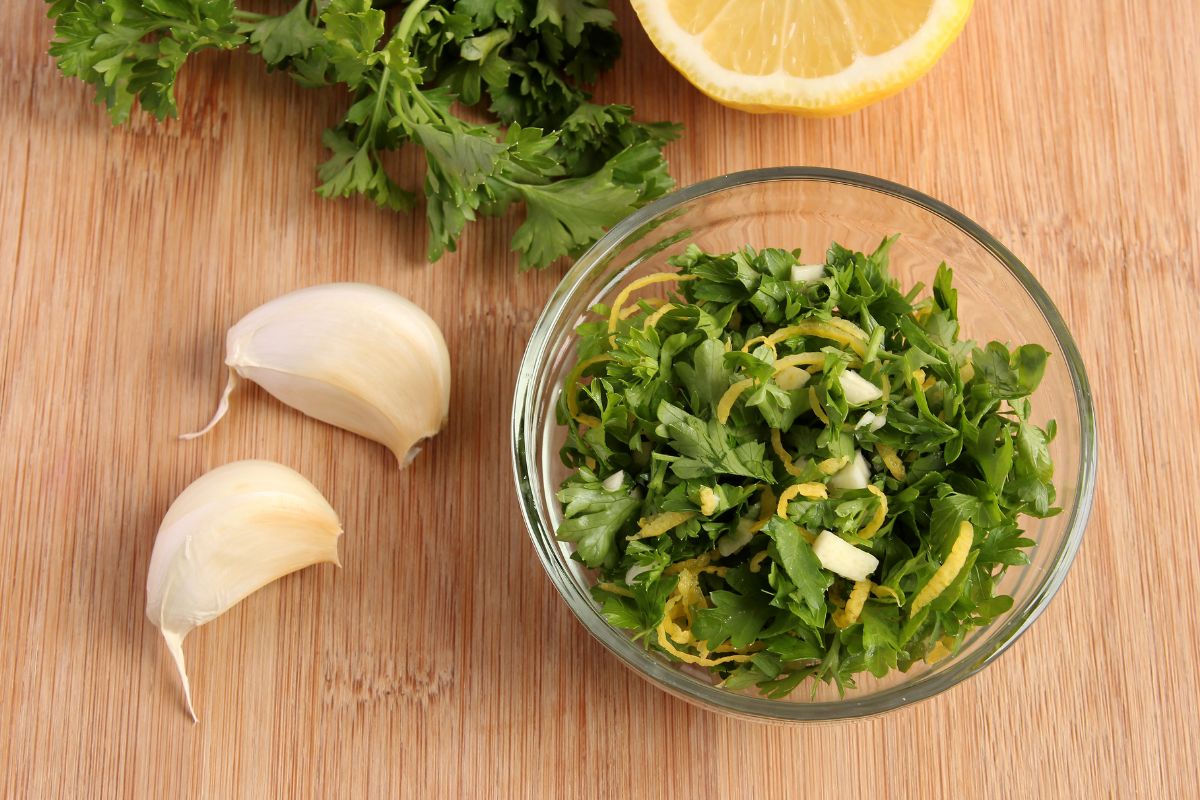
What is gremolata? It’s a fresh Italian condiment made from chopped herbs, garlic, and lemon zest. Traditionally, it’s served as a finishing touch rather than cooked into a dish.
If you’re asking what is a gremolata or looking for a gremolata definition, think of it as a bright, raw herb topping that adds freshness and balance.
You might also see it spelled as gremolata or gremolada, but gremolata is the more common and correct form.
Gremolata Meaning and Origin
The gremolata meaning comes from Italian cuisine, where it has been used for generations.
It’s most famously paired with osso buco, a classic Italian dish. But today, herb gremolata is used far beyond traditional recipes because of its versatility.
What Is Gremolata Made Of?
A common question is what is gremolata made of?
The classic gremolata ingredients are:
- Fresh parsley
- Garlic
- Lemon zest
That’s it. No cooking required.
Some versions may add olive oil, but traditional gremolata classique is usually dry and finely chopped.
Gremolata Flavor Profile
The flavor of gremolata is:
- Fresh
- Zesty
- Garlicky
- Slightly citrusy
A simple lemon gremolata adds brightness to rich dishes, making them feel lighter and more balanced.
What Is Gremolata Used For?

You might wonder what is gremolata used for.
It’s typically added at the end of cooking to enhance flavor. Common uses include:
- Meat dishes
- Roasted vegetables
- Fish
- Pasta
Because it’s uncooked, gremolata keeps its fresh taste and adds contrast to warm dishes.
What to Eat Gremolata With
If you’re asking what to eat gremolata with, here are popular pairings:
- Grilled steak or chicken
- Roasted potatoes
- Fish and seafood
- Vegetables
- Pasta dishes
For example, gremolata pasta can turn a simple dish into something vibrant and fresh.
Gremolata vs Chimichurri
A common comparison is gremolata vs chimichurri.
Both are herb-based sauces, but they’re different.
Gremolata:
- Uses parsley, garlic, lemon zest
- Usually dry or lightly mixed
- No vinegar
Chimichurri:
- Includes vinegar and oil
- More liquid
- Stronger, tangier flavor
So if you’re asking is gremolata the same as chimichurri?, the answer is no, but they serve similar purposes.
How to Make Gremolata
Making it at home is very easy.
Simple Gremolata Recipe
Here’s a quick gremolata recipe:
Ingredients:
- 1 cup fresh parsley (finely chopped)
- 1 garlic clove (minced)
- Zest of 1 lemon
Steps:
- Chop everything finely.
- Mix in a bowl.
- Use immediately for the best flavor.
This is the base for most gremolata recipes.
Gremolata Sauce vs Gremolata
Some people refer to it as gremolata sauce, especially when olive oil is added.
What is gremolata sauce? It’s simply a slightly wetter version of gremolata, often used for drizzling.
Gremolata Variations
There are many creative gremolata variations you can try.
Examples include:
- Pistachio gremolata – adds crunch and nuttiness
- Mint gremolata – fresh and cooling
- Orange gremolata – sweeter citrus flavor
- Caper gremolata – salty and tangy
- Olive gremolata – rich and savory
- Walnut gremolata – earthy and textured
- Pepita gremolata – nutty with seeds
These variations allow you to customize flavor based on the dish.
Gremolata Crumb and Texture
Sometimes you’ll hear about gremolata crumb.
This refers to a drier version mixed with breadcrumbs or nuts. It adds texture and crunch when sprinkled over dishes.
Gremolata Cheese and Creative Uses
Modern recipes sometimes combine gremolata with cheese, creating gremolata cheese blends used for toppings or spreads.
You might also see it mixed into salads like green bean gremolata for added freshness.
Why Gremolata Works So Well
The reason gremolata is so popular is simple.
It balances rich, heavy foods. The fresh herbs, garlic, and citrus cut through fat and add brightness without overpowering the dish.
That’s why chefs often use it as a finishing touch rather than cooking it.
Some Rapid Answers
“What is gremolata?”: A fresh Italian mix of parsley, garlic, and lemon zest.
“What is gremolata made of?”: Parsley, garlic, and lemon zest.
“What is gremolata used for?”: A topping for meats, vegetables, and pasta.
“Is gremolata the same as chimichurri?”: No, gremolata is simpler and does not use vinegar.
“What is gremolata sauce?”: A slightly wetter version of gremolata with added oil.
“What to eat gremolata with”: Meat, fish, vegetables, and pasta.
Conclusion
Now you know exactly what gremolata is and why it’s such a powerful yet simple addition to food. With just a few fresh ingredients, it brings brightness, balance, and flavor to a wide range of dishes.
Whether you stick to the classic version or try creative variations, gremolata is an easy way to elevate everyday meals.

