


I’ve been there: you grab a lime for tacos, cut it open, and nothing comes out. Tiny tragedy. So here’s how to pick a lime that’s actually juicy and fresh—every time. The trick is simple once you know what to feel, see, and smell.
I’ll show you exactly how to tell if a lime is juicy, the best lime season for flavor, and even how to cut a lime so you squeeze the most out of it. We’ll also cover storage, ripeness, and when to pick from a tree. Short, clear, no fluff—just limes that deliver.
Think of this as your lime playbook. We’ll start with the quick checklist. Then we’ll go deeper: store vs. tree, ripeness cues, and smart storage. At the end, there’s a speedy FAQ that tackles all the quirky lime questions you might Google at midnight. Let’s get you perfect limes today.
The Quick Checklist: How to Pick a Juicy Lime
- Feel first. A juicy lime feels heavy for its size and has a little give. That’s how to pick a juicy lime fast.
- Skin test. Look for smooth, thin skin. Thick, bumpy skin often means less juice.
- Color clues. Bright green is common, but a slight yellow blush can mean extra ripe and juicy.
- Shine matters. Slightly glossy, not dull.
- Smell it. A fresh citrus aroma near the stem is a good sign—that’s how to tell if a lime is good in one sniff.
If you’re wondering how to choose limes without cutting them, this is your golden 10-second routine.
Ripeness, Color, and Season

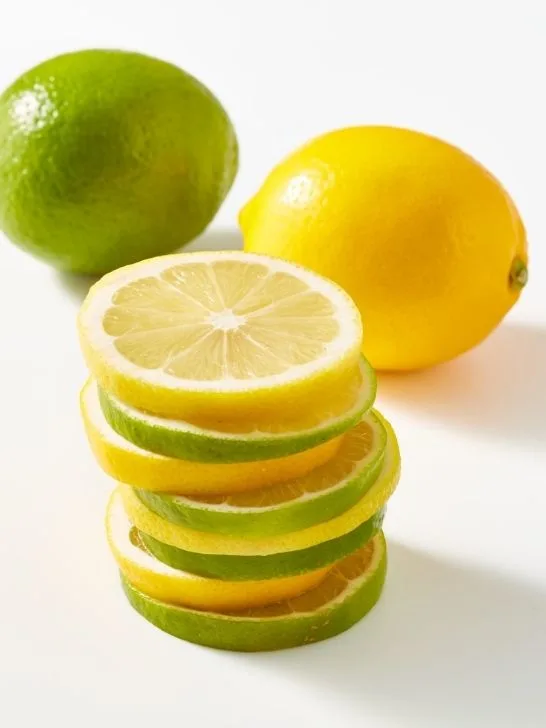
- Lime season varies by region, but you’ll often find the best limes from late spring to early fall. Imports fill the rest of the year.
- How to tell when a lime is ripe: it feels a touch soft when squeezed, has smooth skin, and smells citrusy.
- Are ripe limes actually yellow? Sometimes! Many limes turn slightly yellow as they fully ripen. Green is great; a bit of yellow can be even juicier.
- Think of this as your mental lime ripeness chart:
- Deep green + hard = under-ripe, less juice
- Bright green + slight give = ripe, juicy
- Green-yellow + soft (not mushy) = very ripe, very juicy
- Gardeners: When are limes ready to pick? When the fruit reaches full size, it has that light give, and the color shifts from deep dark green to brighter green or a hint of yellow.
Grocery Store vs. Tree: Picking the Best
- How to pick limes at the grocery store: choose heavy, smooth, glossy limes with a gentle give and a fresh scent. Skip wrinkly or rock-hard fruit.
- How to pick limes from a tree: twist gently; ripe limes release with a small turn. Pick during dry weather so they store better.
- Home growers: when to harvest limes is when the size is full, the color is bright, and the fruit feels slightly soft.
- Container growers: When to pick limes from a potted tree: same cues—size, slight softness, easy twist-off. Taste test one first.
- Key limes: smaller, thinner skin, very fragrant. When to pick key limes and when to harvest key limes: when they’re light green to yellow, soft to the touch, and super aromatic.
Storage, Freshness, and Cutting


- Counter vs fridge: Should I refrigerate limes? Yes, if you want them to last. They keep about 1 week on the counter, 3–4 weeks in the fridge.
- Hydration hack: Why store limes in water? Cold water in a sealed container slows moisture loss, keeping them plump.
- Color changes: Why do limes lose their color? Natural ripening and storage time. Green pigments fade as they mature.
- Safety first: When should you not eat limes? If they’re moldy, slimy, smell sour/fermented, or feel hollow and dry. That’s how to know if a lime is bad.
- Another quick check: How to tell if a lime is bad—major soft spots, brown/black patches, or no aroma.
- Cutting for max juice: How to cut a lime—slice off the ends, then cut lengthwise and squeeze by hand. For wedges, cut lengthwise, then into 3–4 wedges per half. Microwave 10–15 seconds or roll on the counter if it’s stubborn.
Why Some Limes Disappoint (and How to Fix It)
- Why are limes not juicy? Often under-ripe, thick-skinned, or stored too long. Pick heavy, slightly soft limes and store them cold.
- Sink test myths: Are limes supposed to sink or float? Float or sink isn’t a reliable freshness test; weight-in-hand is better.
- Shade question: Are limes better, dark or light? Dark green is common but can be under-ripe. Bright green with a hint of yellow and slight softness is usually juicier.
Nutrition, Juice, and Fun Extras
- Does lime juice have calories? Yes—about 8–10 calories per tablespoon, mostly from natural sugars.
- Which is healthier lemon or lime? Both are great. Lemons have a bit more vitamin C; limes are similar and perfect for flavor with few calories.
- Do limes expire? They don’t have a strict “date,” but they do dry out and can mold. Use within 1–2 weeks at room temp, up to a month refrigerated.
- Caution: Pickling lime (calcium hydroxide) is used in some traditional pickles to keep crunch. It’s not the same as lime juice; follow recipes carefully and rinse produce well.
Rapid-Fire Answers
- How to tell if a lime is juicy: heavy, smooth, slight give, citrus aroma.
- How to tell if a lime is ripe: bright color, soft squeeze, and fragrant.
- When to harvest limes: full size, easy twist from the branch, slight softness.
- How to tell when a lime is ripe: same cues; color shift plus gentle give.
- How to know if a lime is bad: mold, sour smell, slimy skin, hollow feel.
- How to choose limes: go by weight-in-hand and skin texture first.
Tiny Pro Tips That Make a Big Difference
- Warm it up: room-temperature limes yield more juice than cold ones.
- Roll before cutting: breaks cell walls for easier squeezing.
- Wedge angle: cut lengthwise for bartender-style wedges that squeeze cleaner.
- Freeze backup: juice and zest freeze well in ice cube trays for quick cocktails and cooking.
Final Squeeze
You now know how to pick a lime that’s juicy, fresh, and full of flavor. Use the quick feel-and-look test, time your picks around lime season, and store them smart. And because Limes are expensive, how to pick a lime matters—it saves money and cuts waste. Got a lime tip or a stubborn-lime story? Drop it below—I’m all ears and always up for better tacos and brighter drinks.

