
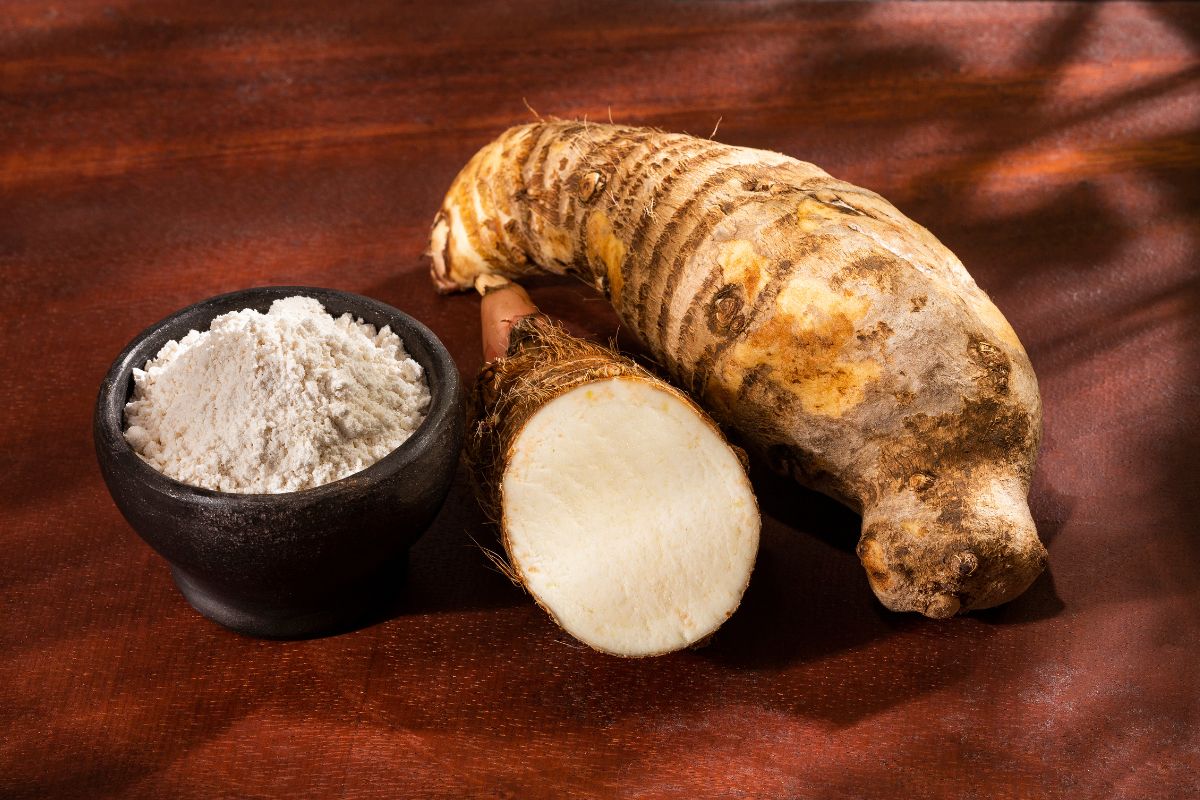
I met something strange at a tiny Cuban café. The fritters were crisp outside, soft inside, and tasted like a cozy potato met a nutty chestnut. I asked the cook what it was. He smiled: “It’s malanga.”
If you’ve seen knobby brown roots at Latin or Caribbean markets and wondered what to do with them, you’re in the right place. I’ll show you what it is, how it tastes, how to cook it, and a few health tips so you can cook with confidence tonight.
We’ll keep it practical—names and types, flavor and texture, nutrition, easy uses like fritters and chips, plus smart shopping and storage—so this humble root can become your new pantry hero.
Shop this recipe
As an Amazon Associate we earn from qualifying purchases.
What Is Malanga? Names, Roots, and Confusion Explained
Think of malanga as a tropical edible corm (a root-like vegetable) from the Xanthosoma family. In many places, people simply say “malanga root” or “malanga vegetable,” while “yautía” is another common name you’ll hear; in fact, “yautía in English” often points to the same plant group as malanga.
So when you see “malanga vs yautia,” they’re usually the same group (Xanthosoma spp.), just different regional names. Despite the phrase “malanga fruit,” it isn’t a fruit—it’s a starchy root. The plant is a leafy tropical plant grown for its underground corms, and it’s easy to use once you know the basics.
Taste and Types: Blanca, Lila, and Coco
The flavor of malanga is earthy, nutty, and lightly sweet, with a softer, creamier feel than potato when cooked. Boiled or mashed, it turns silky and smooth; fried, it gets crisp and golden, which is why it makes such good fritters.
You’ll see types like malanga blanca (pale flesh and mild, versatile flavor), malanga lila (light purple tones and a slightly earthier taste), and malanga coco (a regional name often tied to a firmer texture and gentle coconut-like nuttiness).
If you enjoy taro or cassava, you’ll likely love other malangas too.
Nutrition: Carbs, GI, and Stomach-Friendly Notes
Yes, it is healthy. It provides complex carbs, fiber, potassium, and resistant starch, which many people find easy to digest. In terms of malanga carbs, expect something similar to a potato per serving, giving steady energy for meals.
The glycemic index tends to be low to moderate when it’s boiled or steamed, which can support steady blood sugar. That’s why many ask, “Is malanga good for diabetics?” In balanced portions and cooked simply (boiled, baked, or steamed), it can fit into a diabetes-friendly plate, especially when paired with protein, vegetables, and healthy fats.
It’s often gentle on the gut—so if you wonder “is malanga good for your stomach,” the answer is usually yes—and it doesn’t typically cause issues like “does malanga cause constipation,” thanks to its fiber.
Just remember: don’t eat it raw. Like taro, raw corms can irritate due to calcium oxalate, and cooking solves that.
Everyday Uses: Simple, Comforting, and Crisp
You can turn this into weeknight comfort with minimal effort. Boil and mash it with garlic and olive oil for a creamy side. Fold it into soups and stews where it naturally thickens the broth.
Grate it for classic fritters with herbs and a little seasoning. Roast wedges in the oven for a crisp outside and soft middle. And for snacking, malanga chips are fantastic—thin slices fried or air-fried, lightly salted, and hard to resist.
Use the root anywhere you’d reach for potato or taro to add an earthy, nutty twist.
Buying, Storing, and Prep Tips
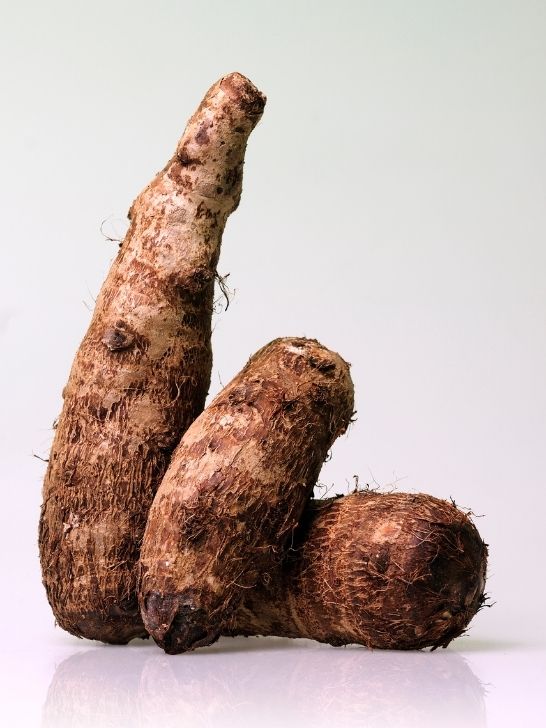
Choose firm, heavy corms with dry, intact skin and skip any with soft spots or mold. Store it raw in a cool, dark place for up to a week or two; don’t refrigerate the raw corms because cold can affect texture.
Once cooked, store them in the fridge for 3–4 days. To prep, peel with a knife (the skin is thick), rinse, and cook right away to avoid browning. You can boil in salted water, steam for a clean flavor, roast for caramelized notes, or fry for crunch.
A simple plan is to boil or steam first for tenderness, then finish in a pan to get a little crisp.
Quick Answers
- What is malanga root? An edible corm from tropical Xanthosoma plants, used like a starchy root vegetable.
- Common malanga food options: Soups, mashes, fritters, stews, and chips.
- Is malanga healthy? Yes—packed with fiber, minerals, and complex carbs.
- Is malanga good for diabetics? Can fit in moderation, especially boiled or baked and paired with protein and vegetables.
- Malanga glycemic index: Generally low to moderate.
- Malanga carbs: Comparable to potatoes.
- Does malanga cause constipation? Typically, no; its fiber content helps promote regularity.
- Malanga plant: The tropical plant that grows the edible corm.
- Malanga vs yautia: Usually the same group with regional naming differences.
Simple Cooking Blueprint
Peel one to two pounds of malanga and cut it into chunks. Boil in salted water until very tender, about 15–20 minutes. For a mash, drain and add olive oil or butter, garlic, salt, and a splash of cooking water, then mash until smooth.
For fritters, grate it raw, mix with an egg, herbs, garlic, salt, and a spoonful of starch, and pan-fry spoonfuls until golden. For chips, thinly slice, pat dry, then fry or air-fry and season while hot.
Keep the seasoning simple so its gentle, nutty sweetness shines; a drizzle of olive oil, a touch of garlic, and a squeeze of lime are perfect.
Safety and Allergen Notes
Always cook malanga because raw corm can irritate the mouth or skin. If you handle a lot, wear gloves and wash your hands.
Food allergies are rare but possible, so start with a small portion the first time. These basics will keep your cooking both safe and delicious.
Conclusion
Now you know malanga—what it is, how it tastes, smart ways to cook it, and how it can fit into a healthy plate. Pick a fresh corm, keep the seasoning simple, and enjoy that naturally creamy, nutty comfort at home.
Share your favorite method in the comments, and let’s make something warm and welcoming together.

