
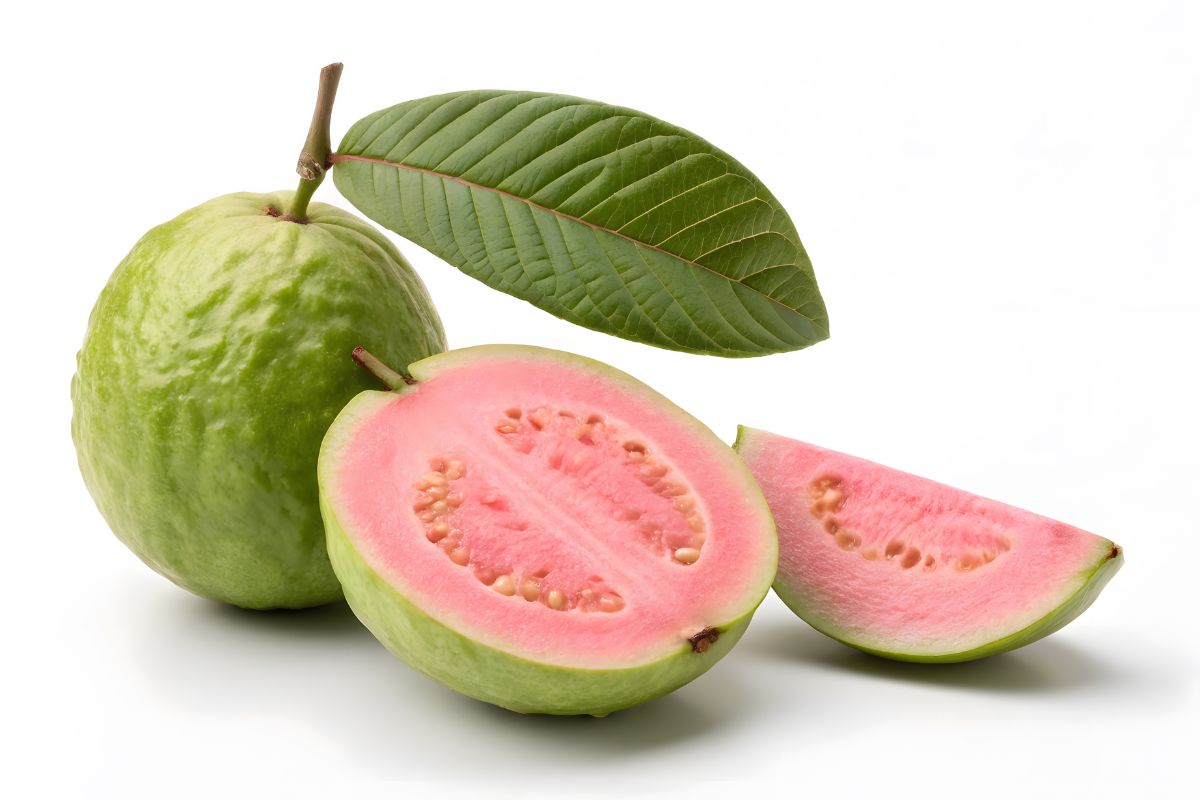
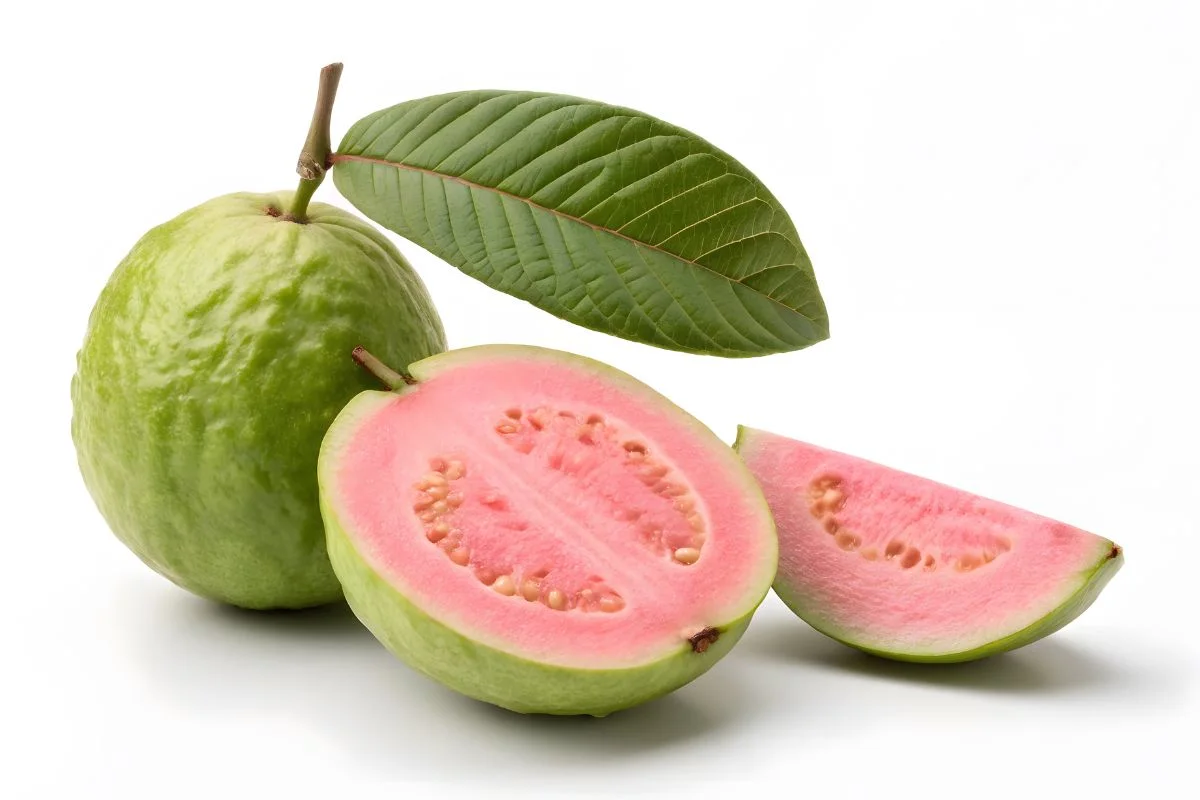
You pick up a bright green fruit at the market. It feels firm, smells fresh, and looks a bit like a pear. You wonder what it is and how to eat it. That fruit is Thai guava, and it is a crunchy, clean, and lightly sweet snack that many people love.
In Thailand, it is sold on street carts with little packets of sugar, salt, and chili. At home, it is easy to slice and serve. In this guide, I will show you what makes this fruit special, how to choose it, how to eat it, and why it is good for you.
We will keep it simple and friendly, so you can enjoy your first bite with confidence.
What exactly is Thai guava?
Thai guava is a type of common guava grown for crisp texture, pale flesh, and mild sweetness. The Thai guava scientific name is “Psidium guajava”, which is the same species as regular guava. Farmers in Thailand select crunchy, low‑seed varieties that travel well and stay fresh longer.
You will hear people call it “farang” in Thai. It is part of the larger Thai guava fruit family that includes white and red types. Many shops label it “crystal” or “pear guava” because of the snap in each bite.
What does it taste like?
People often ask, what does guava taste like? For Thai guava, the taste is clean, slightly sweet, and gently floral. The texture is crisp, like a firm pear or a fresh apple. Some types have pink flesh, called Thai red guava or Thai guava red, and these can be a bit sweeter. Others are pale, like Thai white guava, white Thai guava, or “guava Thai white,” and they taste light and refreshing.
If you enjoy a crunchy snack with a soft perfume, you will like it.
Nutrition and benefits at a glance
Here is why Thai guava benefits many diets. It is rich in vitamin C, which helps immune health. It has potassium and small amounts of folate. Most of all, it is high in guava fiber, which supports digestion and helps you feel full.
People also search for Thailand guava benefits and “guava Thailand” because the fruit is popular in Thai street food and healthy snack culture. If you track calories, you will like that the calories are modest. One cup of sliced guava is roughly 110 calories, with plenty of fiber and very little fat.
How to cut and how to eat
Many readers ask about how to cut a guava and “Thai guava how to eat” because the fruit can look unfamiliar. Rinse the fruit. Pat it dry. Place it on a board. Trim the ends. Slice it in half from top to bottom. Use a spoon to scoop out loose seeds if you want a smoother bite. Slice into wedges or thin sticks.
That is it. You can eat the peel; it is tender and full of fiber. If you like a little flavor kick, dip slices in a mix of sugar, salt, and chili powder, just like the street vendors in Thailand. A squeeze of lime is nice, too.
How to tell when it is ripe

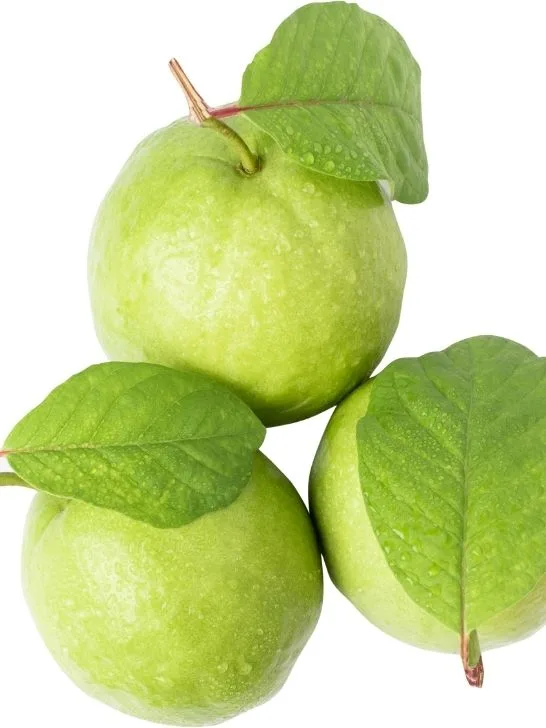
People often ask about ripe and timing. Choose fruits that feel firm and heavy for their size. The skin should be bright green to pale green, with a gentle floral scent at the stem. Avoid fruits with soft dents or large dark spots. Guava softens slowly on the counter.
If you want to slow it down, place it in the refrigerator. Cool storage keeps the texture crisp.
What is special and how does it differs
You may wonder, What is special about Thai guava? The special part is the crunch and the clean taste. It stays firm, even when sliced, so it is great for salads and lunch boxes. Now, what is the difference between guava and Thai guava? Regular guava can be softer, more aromatic, and more seedy.
Thai guava is bred for crispness, mild perfume, and lower seed counts. Both are the same species but grown for different traits.
Health questions people ask
Many readers ask, Are Thai guavas good for health? Yes. They are nutrient-dense, high in fiber, and low in calories. They make a great snack for blood sugar control when eaten with a balanced meal, thanks to the fiber.
For timing, when to eat Thai guava? You can eat it any time. It is a smart mid‑morning snack, a crunchy side at lunch, or a light dessert with lime and salt.
Popular varieties you might see
Shops sometimes label Thai guava options by color or seed traits. Pink types include Thai ruby seedless guava, which is often less seedy and sweeter. White types include pale strains and firm guava selections sold for crunch. You might also see labels like Thailand guava, which usually means a Thai‑grown, crunchy, export variety. All share the same basic care and use.
Growing at home
If you are curious, can you grow Thai guava at home? Yes, if your climate is warm and frost-free. A sunny spot, well‑drained soil, and regular water are key. A Thai guava plant can live in a large pot with rich soil and good drainage. Prune lightly to shape and to keep it compact. A healthy Thai guava tree may fruit in two to four years from a grafted plant. If you live in a cool area, bring the pot indoors for winter light and warmth.
Simple ways to serve
Here are easy ways to enjoy it. Make a crisp salad with thin slices of guava, cucumber, mint, and a light lime dressing. Add wedges to yogurt with honey and sesame seeds. Serve with chili salt for a Thai‑style snack. Blend into a smoothie with pineapple and a touch of ginger. If you like color, try pink types such as red for a bright look.
Quick answers for search and voice
- How to eat: Rinse, slice, remove seeds if you like, and enjoy with peel.
- Thai guava calories: About 110 per cup of slices, with high fiber and vitamin C.
- Thailand guava: A crunchy export guava grown in Thailand; great for snacking.
- Guava Thailand benefits: Fiber for gut health, vitamin C for immune support, and hydration.
- Thai white guava: Pale, crisp, mild types; great in salads.
- How to cut a guava: Trim ends, halve, scoop seeds if desired, slice into sticks or wedges.
Final tips for buying and storing
Choose fruits that are heavy, smooth, and fragrant. Keep them cool to hold the crunch. Eat within a few days for the best snap and scent. If the fruit softens, use it in smoothies or jam. A little lime, a pinch of salt, or a dust of chili makes the flavor pop.
Conclusion
Now you know why people reach for Thai guava again and again. It is crisp, gentle, and easy to eat. It is rich in fiber, light in calories, and fun to slice and share. If you have a favorite way to serve it, drop a note, share a photo, or tell us which variety you like best. Let us enjoy the crunch together.

